The Pipe Umbrella System: Concept and Function
Every underground excavation is, by definition, a disturbance of the natural equilibrium of the ground — and solutions such as the pipe umbrella system are key to anticipating that change.
The advance of a tunnel generates stress redistributions and deformations that, if not properly controlled, can compromise face stability, worker safety, and the continuity of the construction cycle.
This is why modern ground support engineering is not only about resisting the ground, but anticipating its behaviour.
At Onix Underground, we apply that philosophy through preventive reinforcement solutions such as the pipe umbrella system — combining geotechnical expertise, execution control, and operational efficiency to achieve safe and predictable excavations even in adverse conditions.
The pipe umbrella system is one of the most reliable and effective techniques to ensure anticipated stability in tunnelling, controlling deformations and securing continuous excavation progress, even in complex ground conditions
The system is based on installing a crown of injected micropiles ahead of the excavation face, forming a structural vault that reinforces the ground mass before exposure.
Its main objective is threefold:
-
Increase ground stiffness and load-bearing capacity.
-
Reduce deformations and convergence in the crown and sidewalls.
-
Control surface settlements and vibrations, especially in urban areas or near sensitive infrastructure.
Unlike primary support —such as shotcrete, steel sets, or rock bolting— the pipe umbrella system acts preventively, providing additional stability at the most critical moment of the process: face advance.
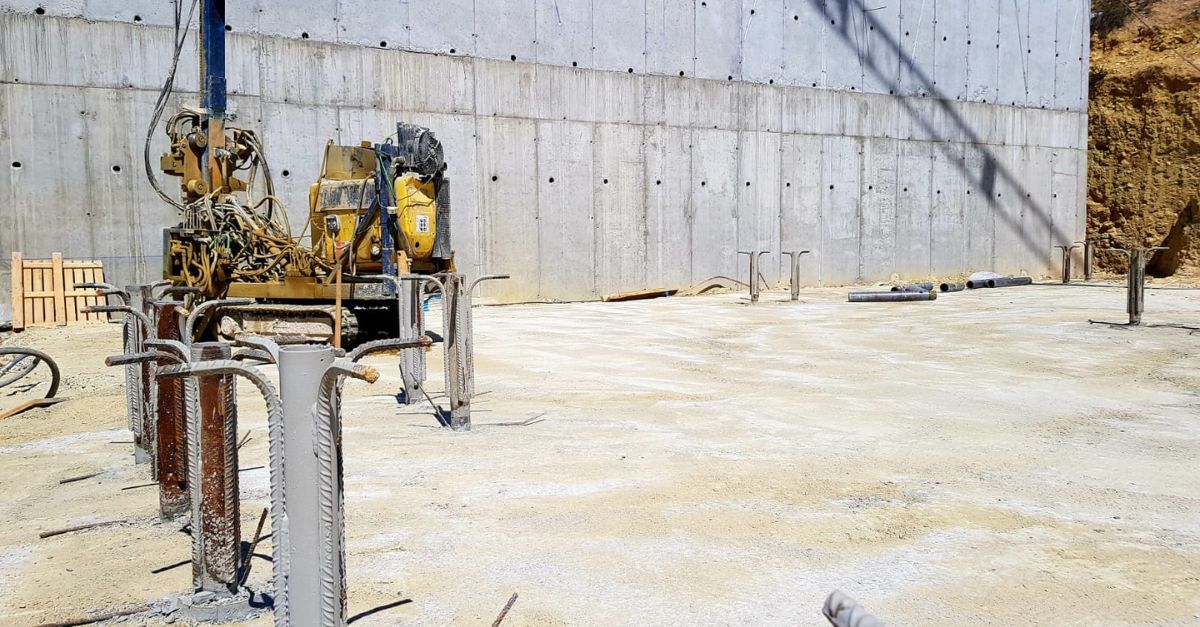
Structural Mechanism and Behaviour
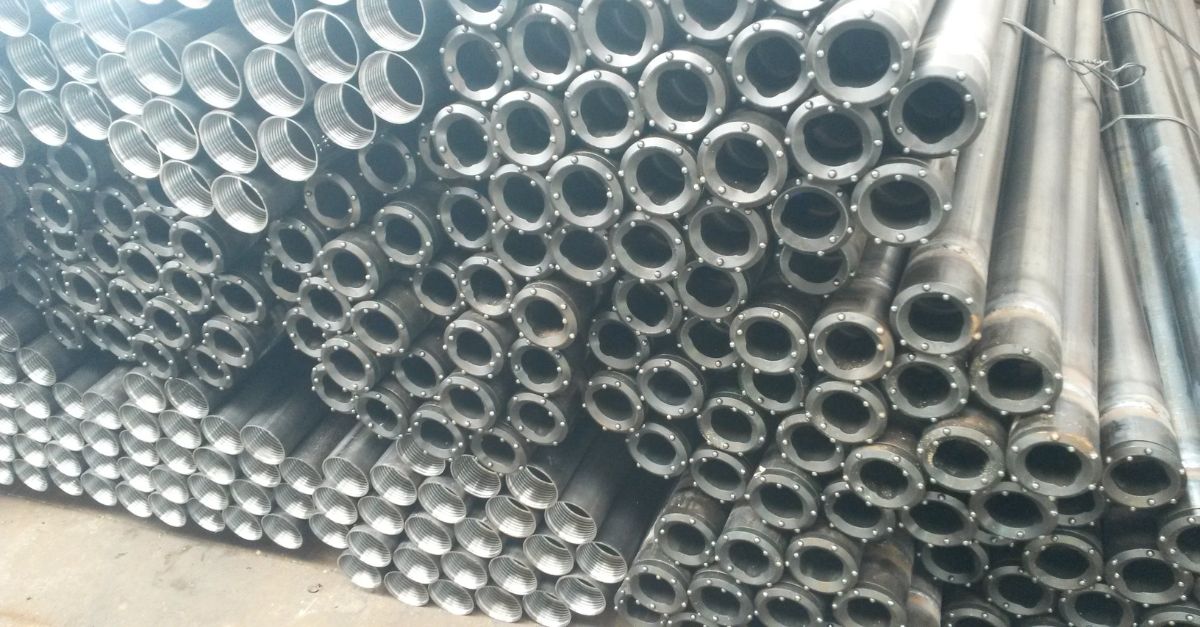
Each micropile acts as a high-stiffness steel linear reinforcement, anchored to the ground through grout injection.
The steel–grout–ground interaction mobilises bending and shear resistance, creating an arching effect that redistributes loads towards more competent zones of the ground.
This combined behaviour not only stabilises the face, but also controls initial deformation of the ground mass, improves stiffness around the excavation, and helps maintain continuous advance with a higher level of safety.
Design Criteria and Typical Parameters
The design of a pipe umbrella system requires a detailed geotechnical study to define the optimal geometry and installation parameters.
| Parameter | Typical Values |
|---|---|
| Micropile length | 6 – 18 m |
| Angular spacing | 10° – 15° |
| Inclination relative to tunnel axis | 5° – 15° |
| Typical reinforcement | Steel tubes with grout injection |
These values are adjusted according to the ground conditions, tunnel section, excavation methodology (NATM, modified German method, etc.) and the level of deformation control required by the project.
At Onix Underground, we combine field analysis with 3D numerical modelling, enabling us to anticipate ground behaviour and optimise the umbrella configuration for each geotechnical environment.
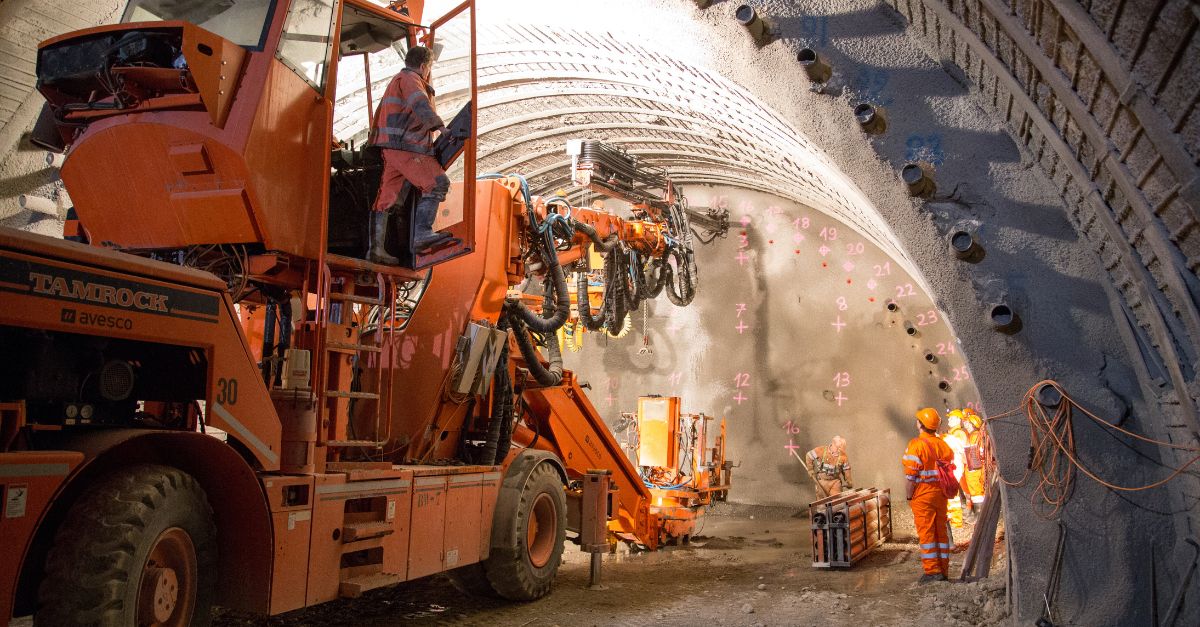
Execution and Quality Control
Technical and Operational Advantages
At Onix Underground, we understand that underground engineering is not measured only by calculations or models, but by its ability to respond to the real challenges on site.
This is why our application of the pipe umbrella system combines three fundamental pillars:
-
Rigorous technical design, based on geotechnical data and simulation.
-
Controlled execution, with full traceability of injections, pressures and drilling parameters.
-
Operational efficiency and safety, integrated into every technical decision.
Our approach is aimed at minimising geotechnical risk, optimising resources, and ensuring operational continuity — both in mining projects and in urban infrastructure works.
Every intervention seeks the balance between safety, performance and sustainability, with a deep understanding of the constraints of each environment.
Because excavating safely is not an option — it is the foundation on which we build every project.