Posts By :

Onix Underground

Pernos de anclaje para minería ONIX Underground

Yield Strength and Elongation: Critical Factors When Choosing a Rock Bolt

Yield Strength and Elongation: Critical Factors When Choosing a Rock Bolt https://www.onixunderground.com/wp-content/uploads/2020/09/shutterstock_1413640973-scaled.jpg 2560 1707 Onix Underground Onix Underground https://www.onixunderground.com/wp-content/uploads/2020/09/shutterstock_1413640973-scaled.jpg

Yield Strength and Elongation

Historically, the breaking load of a rock bolt has been the go-to reference when comparing products and selecting the right anchor for a given ground condition. That is understandable: it is a clear, single number that is easy to compare.

But that focus has pushed other equally important characteristics into the background. Chief among them is yield strength, which in certain ground conditions with dynamic behavior is actually more important than breaking load.

What is yield strength and why does it matter?

Yield strength is the maximum load a bolt can withstand without permanently deforming. If loads stay below this threshold, the bolt returns to its original shape once the load is removed. If the threshold is exceeded, the bolt deforms plastically and loses its anchoring capacity.

This distinction is fundamental. Two bolts with the same breaking load can behave completely differently depending on their yield strength. A bolt with a low yield strength relative to its breaking load will deform under loads that a higher-yield-strength bolt would handle without issue.

For this reason, when designing and selecting bolts it is essential that all anticipated loads remain well within the elastic zone. A yield strength above all possible applied loads is the guarantee of safety, durability, and predictable structural behavior.

The trade-off: yield strength vs. elongation

A high yield strength means greater resistance to permanent deformation. But materials with a very high yield strength relative to their breaking load tend to have lower percentage elongation, meaning they are less ductile.

In plain terms:

  • High yield strength = more resistance to deformation.
  • Lower elongation = reduced capacity to deform without fracturing.

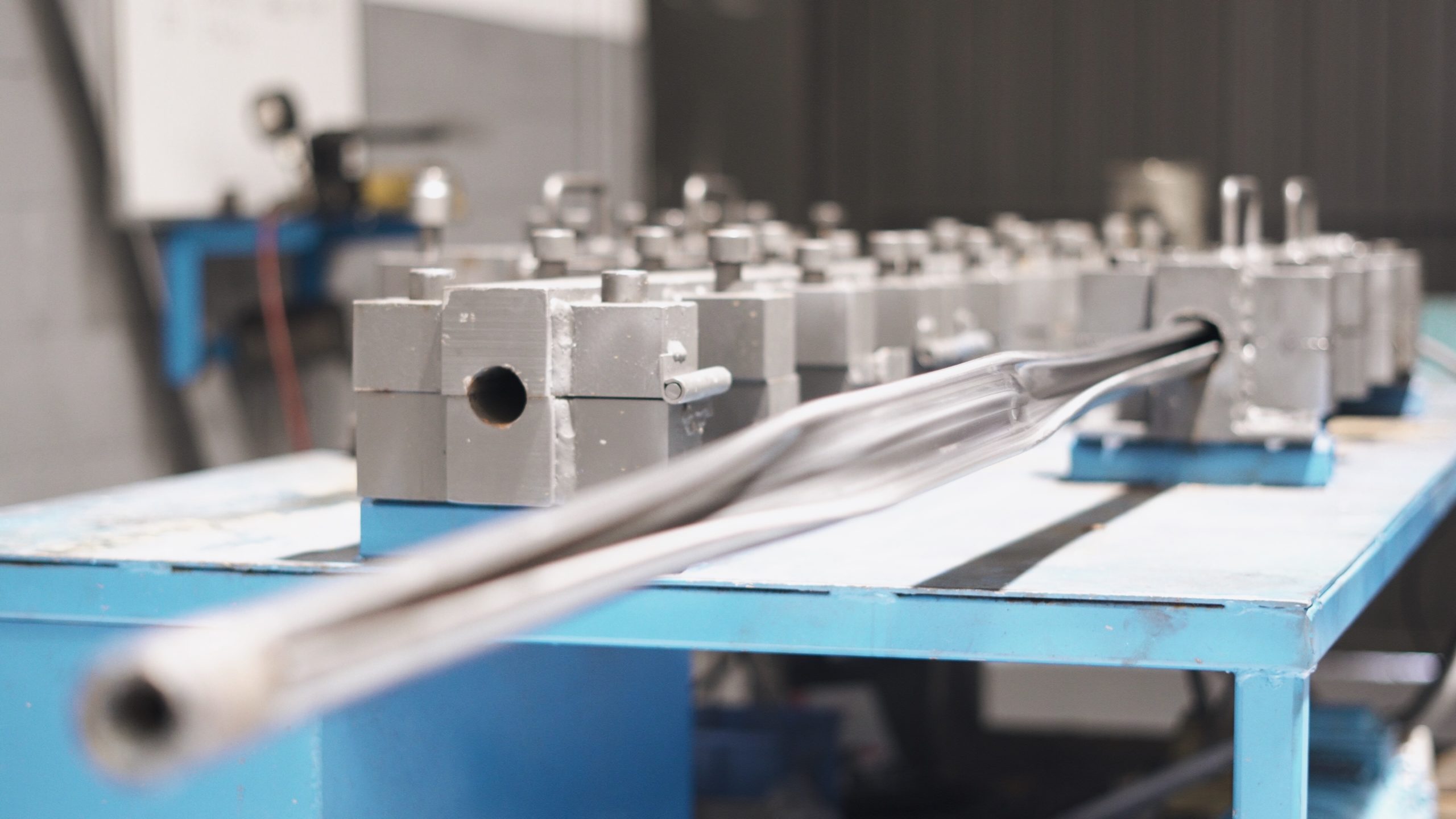
The goal in bolt design is to find the right balance. Enough yield strength to resist loads, and enough elongation to absorb stress without brittle failure. A bolt that is too rigid will fracture suddenly rather than give warning by deforming gradually.
ONIX PUMP scaled

Elastic modulus and related properties

The relationship between applied force and deformation is governed by the longitudinal elastic modulus, known as Young’s modulus. It is a material constant that describes how much a material deforms under tensile stress along its axis. A higher Young’s modulus means the material is stiffer and deforms less under a given load.

Equally relevant is the transverse elastic modulus, or shear modulus, since the forces a rock mass exerts on a bolt are not purely axial. Many of these forces act transversally. For isotropic materials, the shear modulus has a fixed relationship with Young’s modulus and Poisson’s ratio.

Necking: the final stage before failure/strong>

One more concept worth understanding is necking. Once the yield point is passed and plastic deformation begins, a localized reduction of the cross-section occurs in the zone where the bolt will eventually break. This progressive reduction continues until fracture. Necking is a phenomenon that takes place in the plastic range of the steel and is an indicator that the material is approaching failure.

What this means in practice

Breaking load is not the only thing that matters when selecting a bolt. Two bolts with identical breaking loads can perform very differently in real conditions, particularly in ground that generates dynamic events or tangential stresses. For expansion bolts, where the steel is loaded through pressure and material deformation during installation, steel quality plays an especially critical role.

At ONIX Underground, we engineer our bolts to deliver high performance across all loading conditions.

Our EMC Expandable Rock Bolts are manufactured with a yield strength above 80% of the breaking load and an elongation typically above 20%. This combination gives the bolt exceptional behavior in dynamic ground conditions and environments with shear forces, absorbing stress without reaching plastic deformation or fracture.

So next time you are evaluating a bolt, look beyond the breaking load figure. Two bolts that share the same breaking load can behave entirely differently in the field. Yield strength, elongation, and material quality are not secondary details. In many conditions, they are the deciding factors in safety.
Logistics Manager

Logistics Manager

Logistics Manager https://www.onixunderground.com/wp-content/uploads/2026/04/Logistics-Manager-1.jpg 1200 627 Onix Underground Onix Underground https://www.onixunderground.com/wp-content/uploads/2026/04/Logistics-Manager-1.jpg

We’re Hiring: Logistics Manager

At Onix Underground, we continue to grow and are looking to add a Logistics Manager to our office in Oviedo.

We are looking for an organised, proactive and hands-on person capable of coordinating national and international logistics operations in an industrial environment related to underground mining and tunnelling.

📍 This position is open to candidates based in Asturias who are able to attend our office in Oviedo.

Job Responsibilities:

✅ Coordinate and monitor national and international shipments.
✅ Manage freight forwarders, transport companies and customs documentation.
✅ Plan deliveries and ensure compliance with committed deadlines.
✅ Manage stock levels and coordinate with warehouse operations and suppliers.
✅ Negotiate transport rates and logistics conditions.
✅ Prepare and review logistics documentation: packing lists, BL, Incoterms, etc.
✅ Follow up on imports and exports, resolving delays and logistics issues.
✅ Coordinate closely with the purchasing, sales and production teams.
✅ Analyse logistics costs and identify improvement opportunities.
✅ Organise and optimise the company’s logistics flows.

Who Are We Looking For?

  • An organised and solution-oriented person with the ability to manage multiple operations at the same time.
  • Previous experience in logistics, international transport or supply chain.
  • Ability to coordinate shipments, manage incidents and maintain close follow-up of operations.
  • Experience working with freight forwarders, carriers, customs procedures and Incoterms.
  • Strong Excel skills.
  • High level of English, both written and spoken.
  • Proactive profile with attention to detail and the ability to work under pressure.
  • Experience in industrial environments or international trade will be valued.

⛔ Do Not Apply If:

❌ You do not have practical experience coordinating logistics or transport operations.
❌ You are not comfortable solving day-to-day problems, delays or incidents.
❌ You do not have a sufficient level of English to deal with international suppliers and customers.
❌ You are looking for a routine and low-dynamic role.
❌ You are not interested in working in a demanding international and industrial environment.

The application is closed.

THN-Onix-Underground

Tunnel and Mine Support with Omega (Ω) Steel Arches: Advantages, Design Calculations and Recommendations

Tunnel and Mine Support with Omega (Ω) Steel Arches: Advantages, Design Calculations and Recommendations https://www.onixunderground.com/wp-content/uploads/2026/03/ChatGPT-Image-3-mar-2026-10_06_35.png 1536 1024 Onix Underground Onix Underground https://www.onixunderground.com/wp-content/uploads/2026/03/ChatGPT-Image-3-mar-2026-10_06_35.png

Omega (Ω) Steel Arches

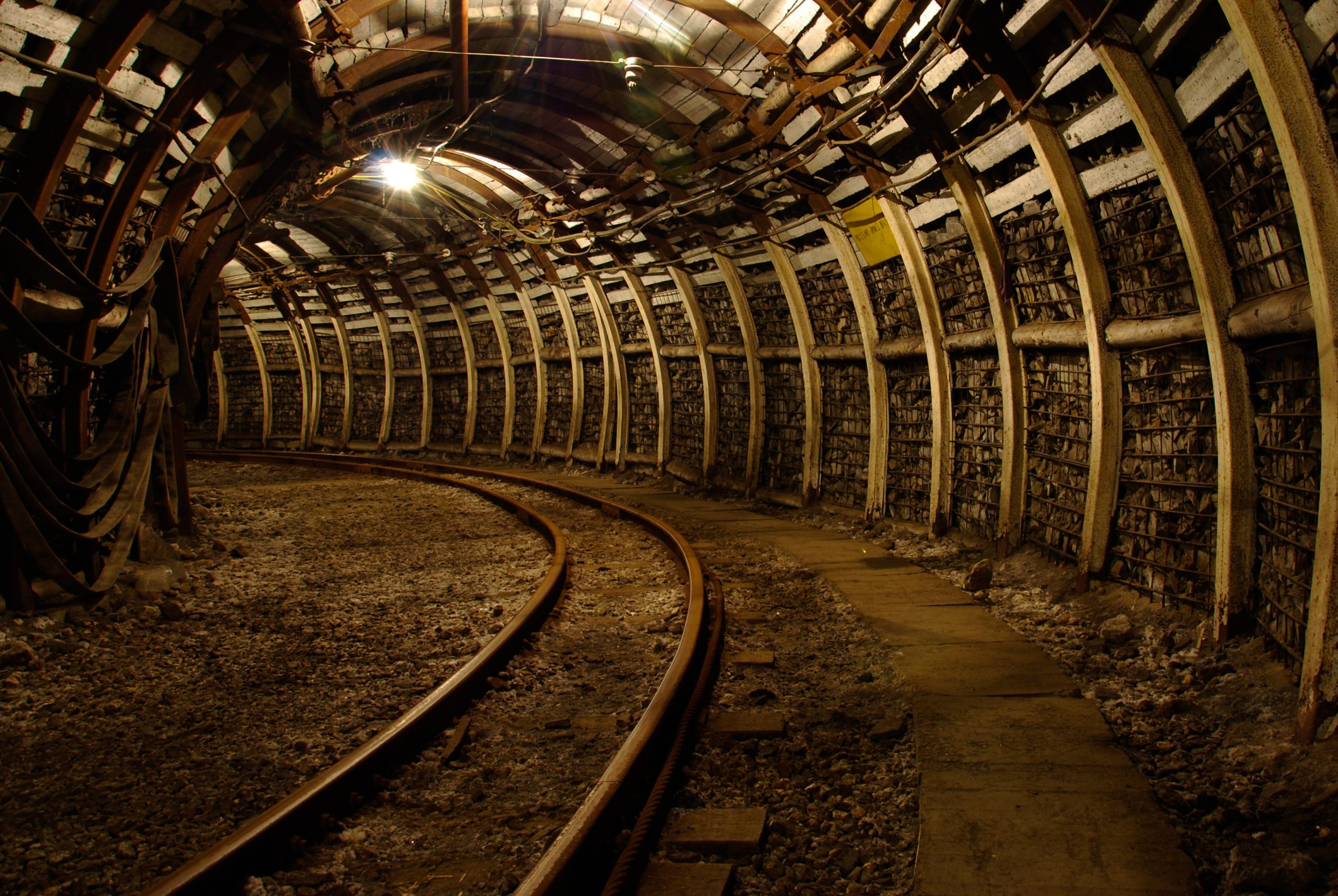
The support of mine drifts and tunnels using THN Steel Arches offers significant advantages in environments subjected to high ground pressure.

This system combines the high load-bearing capacity of the steel profile with a key feature: the sliding behavior of the support set. Unlike traditional rigid arches, the Ω arch is designed to yield in a controlled manner when ground pressure reaches a certain threshold.

This controlled sliding prevents premature structural failure of the profile, reduces the risk of breakage, and acts as an indicator of the stress level affecting the excavation.

The Ω arch does not resist ground pressure through absolute rigidity, but through intelligent balance: it yields when necessary and provides support when required.

THN Arches - Onix Underground

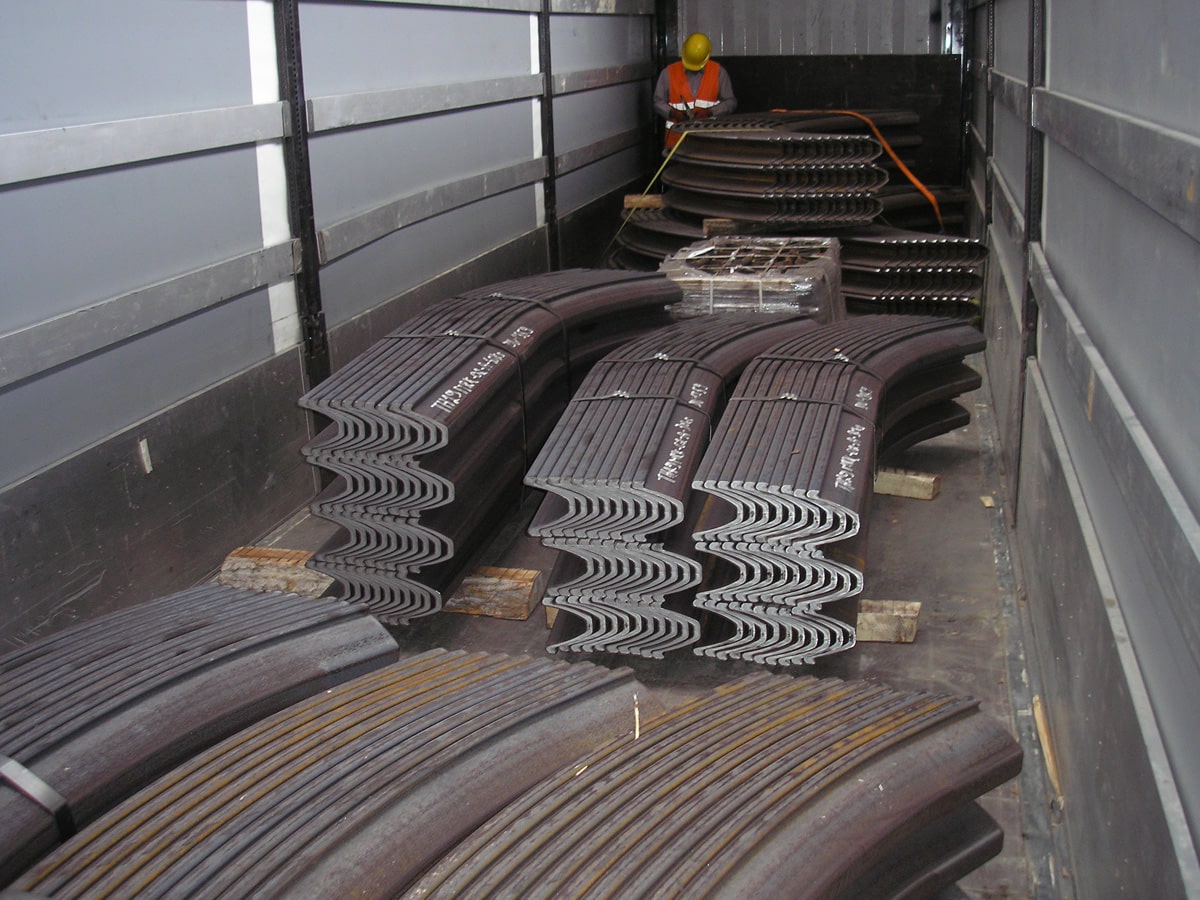
The first characteristic to highlight of THN Sliding Steel Arches is the geometry of their profile. This section presents an almost equivalent resistance to loads acting along both principal axes, transverse and longitudinal.

From a mechanical perspective, the relationship between the section modulus about the X-axis and the Y-axis is approximately equal to 1:

Wxx / Wyy ≈ 1

This structural symmetry allows the profile to perform in a balanced manner under ground deformation, enabling large convergence of the tunnel or drift section without compromising its load-bearing capacity.

Technical Data Arches 1

Main Advantages of THN Steel Arches

  • High load-bearing capacity, derived from the profile geometry and its balanced structural behavior along both axes.

  • High adaptability to irregular tunnel sections, particularly in excavations experiencing significant convergence.

  • Fast installation at the excavation face, reducing cycle times and improving operational productivity.

  • Excellent compatibility with shotcrete and rock bolting systems, allowing for integrated ground support solutions.

  • Possibility of recovery and reuse in certain mining operations, helping to optimize project costs.

Mechanical Properties of the Ω-Type Profile

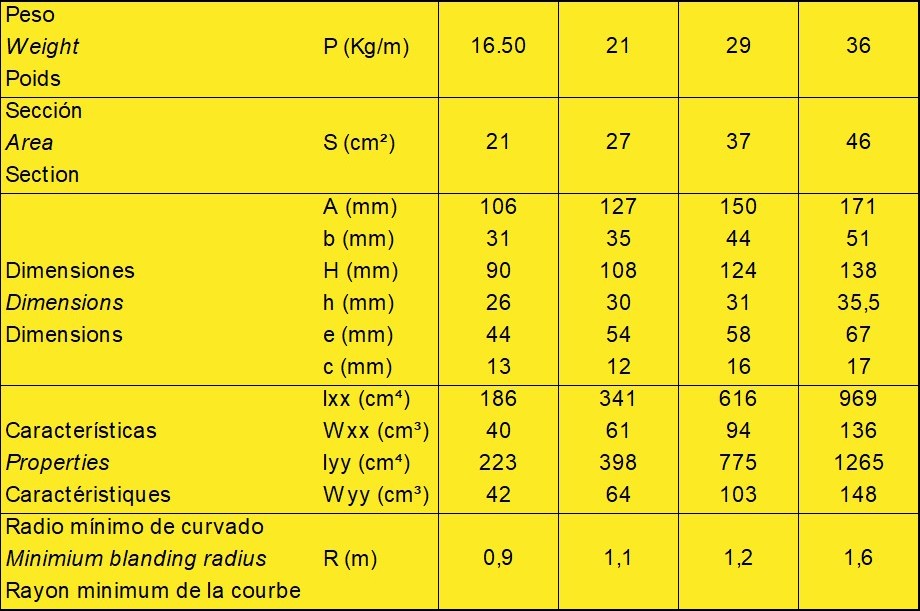
The following table presents the mechanical properties of the Ω-type profile in its different commercial configurations.

Arches THN Technical

Beyond the mechanical properties of the profile —which will be analyzed in more detail later— another key aspect of Ω-type arches is their initial assembly configuration.

The different arch segments are connected using clamps rather than welds. These clamps allow a certain degree of controlled sliding —depending on the selected type— which constitutes the distinctive feature of this support system.

The design of THN Sliding Steel Arches allows for simple and rapid installation, while also providing better adaptation to the excavated section compared to traditional rigid arches. As a result, the effective cross-section of the tunnel or drift is optimized.

Another relevant advantage compared to fixed arches is the possibility of recovery once their structural function has been fulfilled. In certain mining operations, the sets can be dismantled and reused, helping to optimize operational costs.

Regarding the bending of the profile, direct bending is typically used in mining applications, whereas inverse bending is more common in civil tunneling, particularly in the New Austrian Tunnelling Method (NATM). In this case, the web of the profile may be perforated to allow its combination with rock bolts, enabling the arch to mobilize load together with the surrounding ground. Thanks to the adjustable overlap between arch segments —increasing or decreasing their effective length— the set adapts to the excavation before becoming embedded in the shotcrete lining.

With this system, it has been possible to meet the requirements of mining operations with increasingly larger tunnel sections and greater depths, where ground pressures are significantly higher. In such scenarios, the design of the connection system, the permitted degree of sliding, and the proper placement of the clamps become determining factors in the structural performance of the support system.

Design Assumptions for Support System Dimensioning

For the calculation of the required ground support in a drift or tunnel using Ω-type arches, the following simplified assumptions are adopted:

  • Structural behavior: the steel arch is considered a structure with pinned supports at its bases.
  • Load model: the loads acting on the arch are assumed to be vertical and uniformly distributed.
  • Failure mode: failure of the steel set is assumed to occur due to bending, neglecting the effects of combined bending and axial forces.
    In the case of sliding sets, axial sliding at the joints must occur before bending failure is reached.
  • Allowable stress: in mining —and also recommended in civil tunneling— the maximum allowable stress is taken as the ultimate tensile strength of the steel used.
THN Arches Profile - Onix Underground

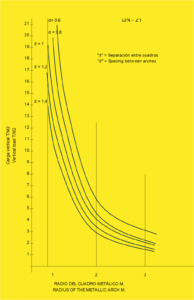
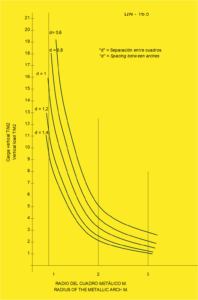
Design Charts for THN Sliding Steel Arches

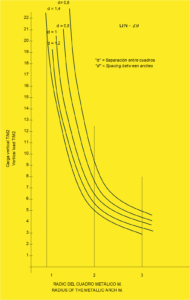
Based on these assumptions, design charts can be developed for the commercial profiles Ω-16.5, Ω-19 and Ω-21, which facilitate the preliminary dimensioning of the support system.

The procedure is straightforward:

  • On the horizontal axis, the radius of the steel set is introduced (equivalent to half the width of the drift or tunnel).

  • On the vertical axis, the estimated vertical load (t/m²) is introduced.

As a result, the recommended spacing between steel sets (support spacing) can be obtained.

Clamping Systems and Installation Recommendations

A fundamental aspect of the Ω system is the design and performance of the connection clamps, which determine the degree of sliding and the overall structural behavior of the support set.

Different types of clamps are available depending on the required tightening level and the desired degree of sliding in the installation. As a general guideline, a minimum overlap between arch segments of 400–500 mm is recommended.

The recommended minimum tightening torques (kg·m) are as follows:

Ω-16.5: 25–30 kg·m
Ω-21: 25–30 kg·m
Ω-29: 35–40 kg·m
Ω-36: 40–45 kg·m

Installation Guidelines for THN Sliding Steel Arches

During installation, the following aspects should be taken into account:

  • Ensure parallelism of the profiles in the overlap zone.
    Misalignment prevents proper sliding and may cause structural failure or unwanted deformation.

  • Ensure that the arch remains perpendicular to the axis of the drift or tunnel.

  • Do not clamp profiles with defective or false overlaps, meaning situations where proper contact between both segments is not achieved.

  • Respect the specified tightening torques.
    The use of pneumatic tightening tools facilitates achieving the correct torque and ensures uniform installation.

  • Once ground pressure begins to act on the arch —which can be observed through compression of the packing or lagging— and the first sliding occurs, it is recommended to retighten all connection nuts.

Technical Note

The values and recommendations presented above are indicative and should not be considered as definitive design criteria. Support system dimensioning must consider the complete set of geotechnical and structural conditions of each project.

At Onix Underground, we understand that underground support design is not defined solely by calculations or theoretical models, but by its ability to effectively respond to real excavation conditions.

For this reason, our approach to support systems using THN Sliding Steel Arches is based on three fundamental pillars:

  • Rigorous technical design, based on real geotechnical data, structural criteria, and experience in complex ground conditions.

  • Controlled installation, where the proper assembly of the system —arch geometry, clamp type, degree of sliding, and spacing between steel sets— is critical to the overall performance of the support.

  • Operational efficiency and safety, integrated into every technical decision to ensure ground stability, excavation continuity, and protection of operations.

Our approach is focused on minimizing geotechnical risk, optimizing support performance, and adapting the system to the real conditions of the rock mass, both in underground mining and civil tunnelling projects.

Each solution seeks the balance between structural strength, deformation capacity, and construction efficiency, which are key factors in excavations subjected to convergence and high ground pressures.

Because in underground engineering, ground support is not just a structure: it is the element that makes excavation safe, stable, and operationally viable.

Micropilotes Onix Underground

Pipe Umbrella System: Anticipated Stability and Operational Efficiency in Tunnelling

Pipe Umbrella System: Anticipated Stability and Operational Efficiency in Tunnelling https://www.onixunderground.com/wp-content/uploads/2025/11/Micropilotes-Onix-Underground-scaled.jpeg 2560 1920 Onix Underground Onix Underground https://www.onixunderground.com/wp-content/uploads/2025/11/Micropilotes-Onix-Underground-scaled.jpeg

The Pipe Umbrella System: Concept and Function

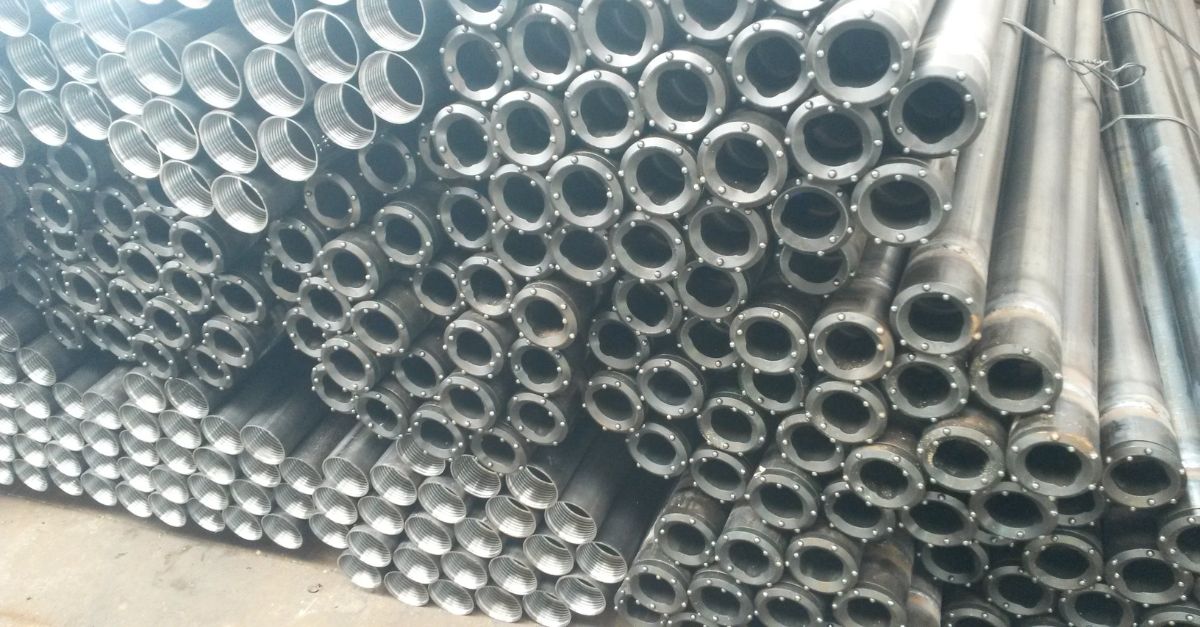
High-stiffness steel tubes prepared for pipe umbrella micropile installation.

Every underground excavation is, by definition, a disturbance of the natural equilibrium of the ground — and solutions such as the pipe umbrella system are key to anticipating that change.

The advance of a tunnel generates stress redistributions and deformations that, if not properly controlled, can compromise face stability, worker safety, and the continuity of the construction cycle.

This is why modern ground support engineering is not only about resisting the ground, but anticipating its behaviour.

At Onix Underground, we apply that philosophy through preventive reinforcement solutions such as the pipe umbrella system — combining geotechnical expertise, execution control, and operational efficiency to achieve safe and predictable excavations even in adverse conditions.

The pipe umbrella system is one of the most reliable and effective techniques to ensure anticipated stability in tunnelling, controlling deformations and securing continuous excavation progress, even in complex ground conditions

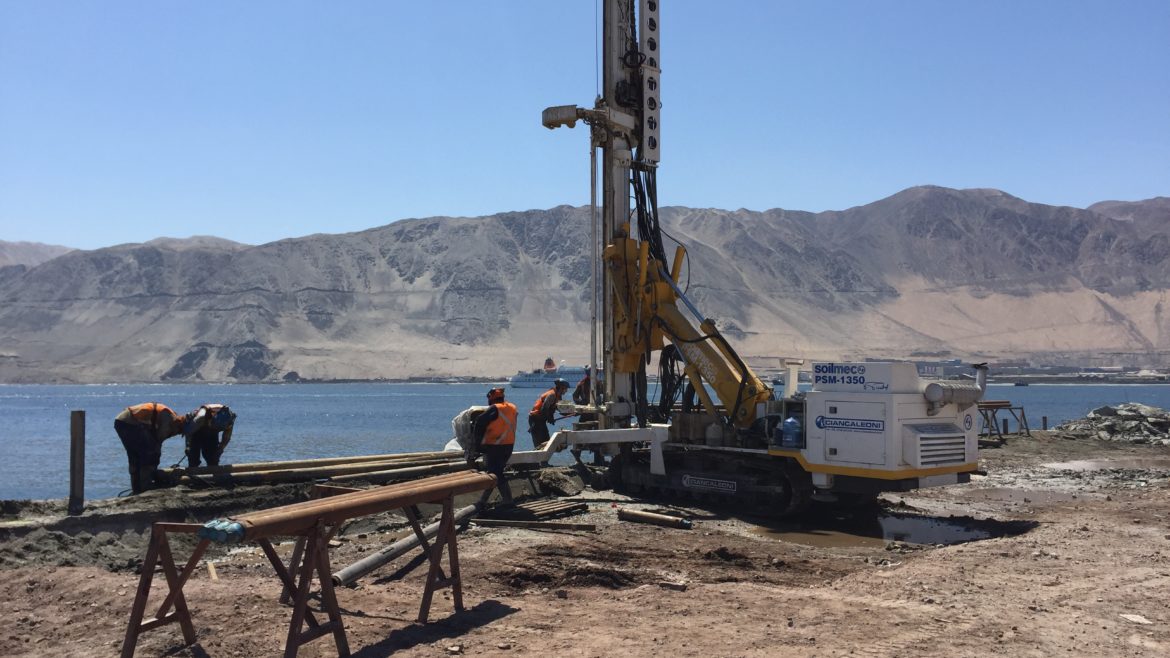
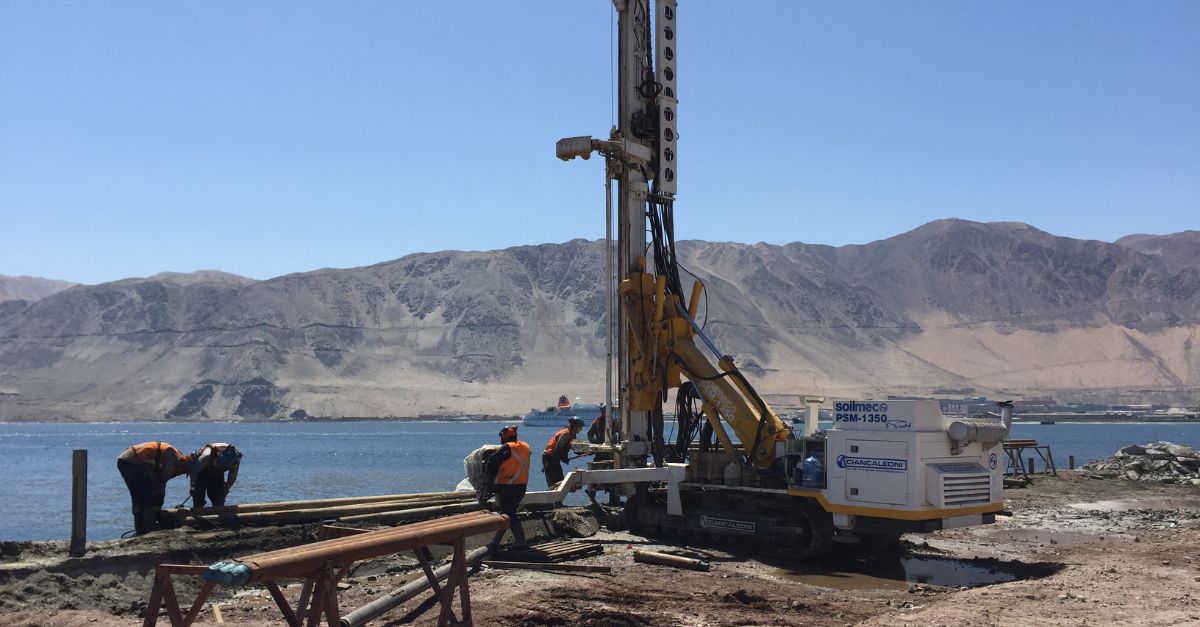
Drilling rig installing micropiles for a pipe umbrella system in coastal geotechnical works.

The system is based on installing a crown of injected micropiles ahead of the excavation face, forming a structural vault that reinforces the ground mass before exposure.

Its main objective is threefold:

  • Increase ground stiffness and load-bearing capacity.

  • Reduce deformations and convergence in the crown and sidewalls.

  • Control surface settlements and vibrations, especially in urban areas or near sensitive infrastructure.

Unlike primary support —such as shotcrete, steel sets, or rock bolting— the pipe umbrella system acts preventively, providing additional stability at the most critical moment of the process: face advance.

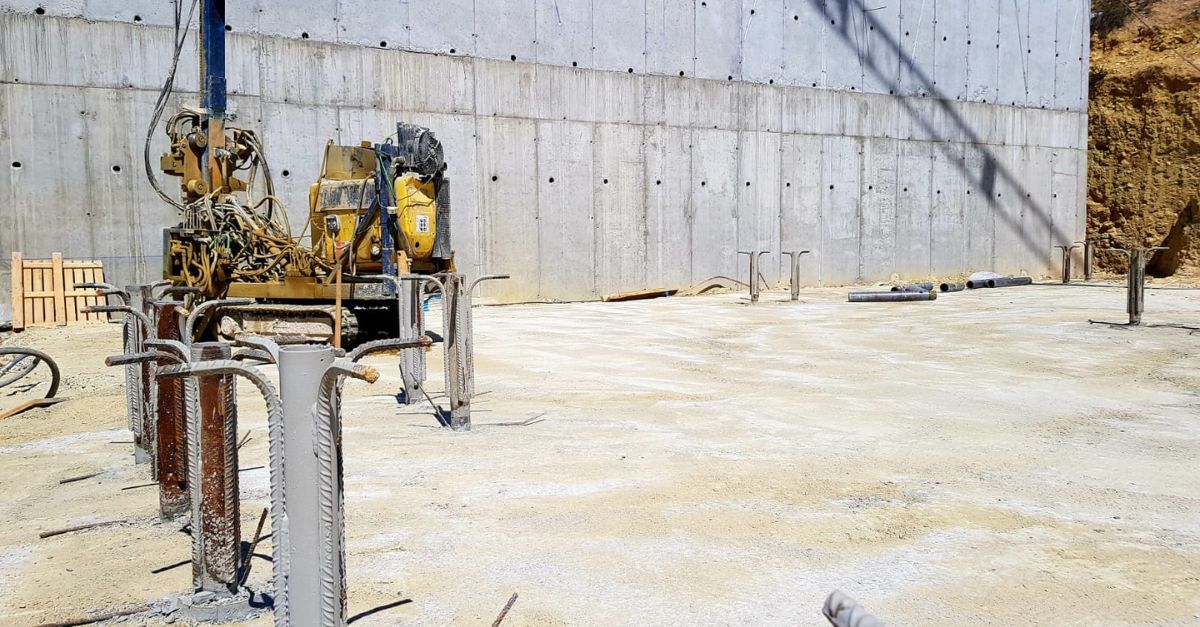
Injected micropiles emerging from ground surface before structural connection.

Structural Mechanism and Behaviour

Each micropile acts as a high-stiffness steel linear reinforcement, anchored to the ground through grout injection.

The steel–grout–ground interaction mobilises bending and shear resistance, creating an arching effect that redistributes loads towards more competent zones of the ground.

This combined behaviour not only stabilises the face, but also controls initial deformation of the ground mass, improves stiffness around the excavation, and helps maintain continuous advance with a higher level of safety.

Design Criteria and Typical Parameters

The design of a pipe umbrella system requires a detailed geotechnical study to define the optimal geometry and installation parameters.

Parameter Typical Values
Micropile length 6 – 18 m
Angular spacing 10° – 15°
Inclination relative to tunnel axis 5° – 15°
Typical reinforcement Steel tubes with grout injection

These values are adjusted according to the ground conditions, tunnel section, excavation methodology (NATM, modified German method, etc.) and the level of deformation control required by the project.

At Onix Underground, we combine field analysis with 3D numerical modelling, enabling us to anticipate ground behaviour and optimise the umbrella configuration for each geotechnical environment.

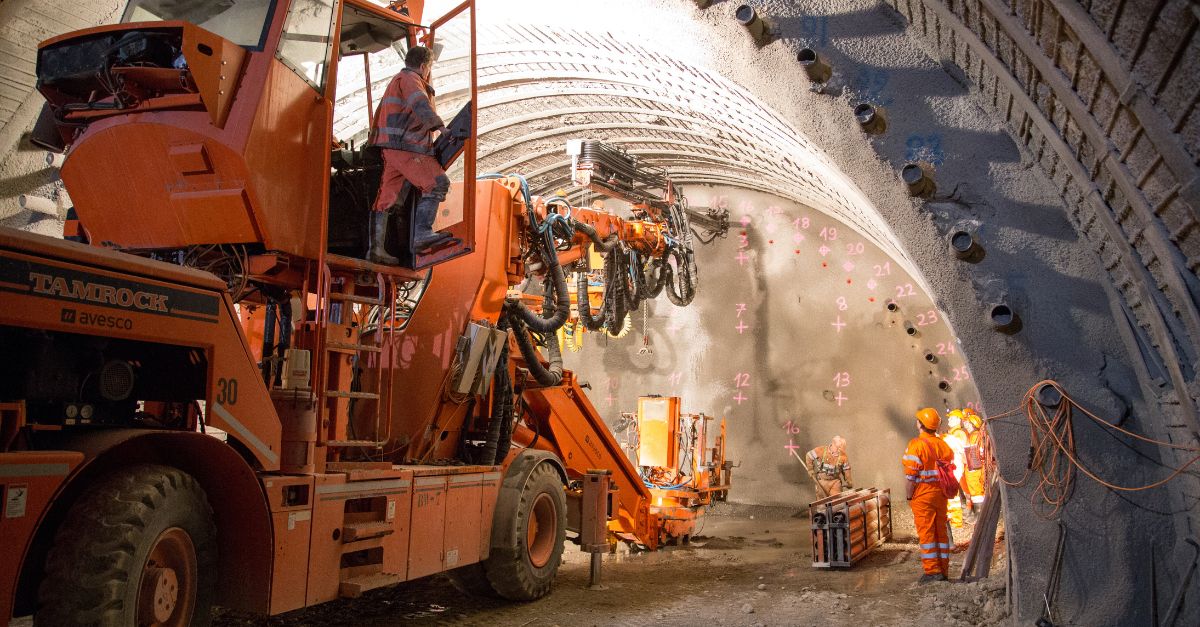
Crew and drilling jumbo working on the tunnel face to install a pipe umbrella system.

Execution and Quality Control

The success of the system depends not only on the design, but also on construction precision.
During execution, the main controls include:

  • Injection pressure and volume, ensuring uniform bond.

  • Integrity of check valves and structural continuity.

  • Surveying verification of elements’ alignment.

  • Monitoring of drilling parameters (advance rate, torque, pressure).

In the presence of water or open fissures, high-penetration microcements or prior waterproofing treatments are used to reinforce tightness.

Full process traceability enables real-time adjustment of parameters, ensuring structural quality and operational safety.

Technical and Operational Advantages

The pipe umbrella system provides advantages that go beyond purely structural performance:

  • Significant reduction of convergence and initial displacements.

  • Control of surface settlement, crucial in urban environments.

  • Reliable behaviour in heterogeneous or fractured ground.

  • Full compatibility with primary support and sequential excavation methods.

  • Improved safety and predictability of the excavation cycle.

From an operational standpoint, it enables maintaining advance rates without compromising stability, reducing downtimes and improving the overall efficiency of the process.

At Onix Underground, we understand that underground engineering is not measured only by calculations or models, but by its ability to respond to the real challenges on site.

This is why our application of the pipe umbrella system combines three fundamental pillars:

  • Rigorous technical design, based on geotechnical data and simulation.

  • Controlled execution, with full traceability of injections, pressures and drilling parameters.

  • Operational efficiency and safety, integrated into every technical decision.

Our approach is aimed at minimising geotechnical risk, optimising resources, and ensuring operational continuity — both in mining projects and in urban infrastructure works.

Every intervention seeks the balance between safety, performance and sustainability, with a deep understanding of the constraints of each environment.

Because excavating safely is not an option — it is the foundation on which we build every project.

Onix Underground Tunneling Project

Analysis and improvement of the support in ancient railway tunel

Analysis and improvement of the support in ancient railway tunel https://www.onixunderground.com/wp-content/uploads/2025/03/Onix-Underground-Tunneling-Project.png 1200 627 Onix Underground Onix Underground https://www.onixunderground.com/wp-content/uploads/2025/03/Onix-Underground-Tunneling-Project.png

At Onix Underground, our commitment to safety and innovation drives us to engage in challenging projects within the mining and underground infrastructure sectors. A clear example of this is our recent collaboration in the rehabilitation of an old railway tunnel, where we provided technical assistance to optimize the fortification elements used in the project.

THE CHALLENGE OF REHABILITATING OLD TUNNELS

Railway tunnels built in the past present a series of structural challenges due to their excavation and construction methods. Commonly, these tunnels were excavated using the “drill and blast” technique, resulting in over-excavations and irregularities that were later filled with rubble in the lining framework. The lining, made of brick, ashlar, or masonry, was constructed with the help of wooden frameworks, leaving a backfill which, depending on the terrain conditions, could be filled with debris or mortar.

In this context, any structural reinforcement intervention must consider the geomechanical conditions of the environment, especially when dealing with support elements anchored in such a heterogeneous and porous material as backfill rubble.

ANALYSIS AND ON-SITE TESTING

In November 2024, our team conducted a technical visit to the site to assess the performance of the support elements used by our client. Tensile tests were performed on two types of bolts:

The pull-out tests revealed that the rebar bolts failed to achieve effective anchorage due to the loss of fixing material within the porous backfill rubble. In contrast, the expandable rock bolts demonstrated excellent performance, achieving secure fixation through friction with the heterogeneous surrounding materials.

Both types of bolts have the same tensile resistance capacity (240 kN), which allowed us to determine that the most viable solution was to replace the rebar bolts with expandable rock bolts, ensuring the stability of the tunnel and the safety of the project.

For summary purposes, the following tables present the types of bolts tested and the results obtained:

Expandable Rock Bolts – EMC 240 kN, Length 3 m

Onix Table B.Load2

Table 1: Summary Table of Tensile Tests for Expandable Rock Bolts

NOTES:

  • Based on the test results, it is concluded that the tensile load was applied in three stages until reaching 50% of the nominal load.
  • Elongations are measured, and it is verified that the bolt is not pulled out.
  • Under these conditions, the tested bolt is considered suitable for execution.

Rebar Bolts ɸ25mm. Length 3 m

Onix Table B.Load

Table 2: Summary Table of Tensile Tests for Corrugated Bar Bolts

NOTES:

  • Based on the test results, it is concluded that the bolts failed due to pull-out:
    • (*) In Tunnel 12, the maximum recorded pull-out load is 13.15 kN, and the minimum recorded pull-out load is 0.629 kN.
    • (**) In Tunnel 17, the maximum recorded pull-out load is 12.76 kN, and the minimum recorded pull-out load is 0 kN.

The Technical Report includes the results of the previously mentioned tests, concludes that:

  • “The results of the tests performed indicate that the EMC expansdable rock bolt satisfactorily meets the requirements established in the project. However, the corrugated bar bolts do not reach the necessary load, which is attributed to the characteristics of the terrain in which they are installed.
  • Therefore, it is recommended to prepare an additional technical report that considers supplementing the area where the corrugated rebar bolts have been installed with expandable rock bolts. This action will ensure compliance with the safety and functionality standards required for the success of the project.”

MODELING AND TECHNICAL JUSTIFICATION

To technically support this decision, a finite element modeling was carried out, allowing for the analysis of stress distribution and demonstrating the feasibility of the change. With this solution, the project execution was optimized without compromising the safety of the structure or the personnel.

GROUND CONTROL SYSTEMS INSTALLED IN TUNNELS 12 AND 17

In these tunnels, two types of supports, referred to as Type I and Type II, were employed with the following elements:

TYPE OF TUNNEL WHERE BOLTS AND SHOTCRETE APPLICATION IS USED:

Type I: Tunnel 12, L = 3 m, mesh 2 x 2 m, 30 MPa, thickness 5 cm, RMR > 55.

Type II: Tunnel 12 and Tunnel 17, L = 3 m, mesh 1.5 x 1.5 m, 30 MPa, thickness 15 cm, RMR = 45 – 55.

As can be seen, Tunnel 12 presents both types of support, and Tunnel 17 presents Type II.

COMMITMENT TO SAFETY AND INNOVATION

This project is yet another example of our dedication to safety and efficiency in underground environments. At Onix Underground, we not only develop high-performance products but also accompany our clients through every phase of their projects, providing technical solutions and ensuring transparency through our Traxlink system.

We will continue to innovate and contribute our knowledge to improve safety and efficiency in the mining and underground infrastructure sectors.

 ONIX UDNERGROUND – THE POWER OF SAFETY

Marketing Specialist Career Onix

Digital Marketing & Content Specialist (Part-Time)

Digital Marketing & Content Specialist (Part-Time) https://www.onixunderground.com/wp-content/uploads/2025/03/Marketing-Specialist-Career-Onix.png 1200 627 Onix Underground Onix Underground https://www.onixunderground.com/wp-content/uploads/2025/03/Marketing-Specialist-Career-Onix.png

We’re Hiring: Digital Marketing & Content Specialist (Part-Time, Hybrid)

Are you a creative and tech-savvy marketer who loves crafting engaging content and digital strategies? We’re looking for a Digital Marketing & Content Specialist to help us expand our brand presence and drive engagement in the mining and tunneling industry.

This is a part-time, hybrid role where you’ll work closely with our team to create impactful content and execute marketing strategies.

📍 This position is open to candidates based in Asturias who can attend our office in Oviedo.

What You’ll Be Doing:

Content Creation – Develop engaging posts, articles, and visual content for our website, LinkedIn, and other platforms.
Social Media Management – Plan and schedule posts, interact with our audience, and grow our online presence.
Email Marketing & Campaigns – Design and execute email campaigns to nurture leads and engage our clients.
Basic Graphic Design & Video Editing – Use tools like Canva, Adobe Suite, or similar to create professional-looking marketing materials.
SEO & Website Optimization – Assist with optimizing web content for search engines and user experience.
Performance Tracking – Monitor analytics, report on campaign results, and suggest improvements.

Who We Are Looking For:

  • Creative mindset with an eye for design and storytelling.
  • Experience managing social media & digital campaigns.
  • Knowledge in design tools like Canva, Adobe Illustrator, or Photoshop.
  • Basic knowledge of SEO, email marketing tools, and web analytics.
  • Strong writing skills in English

⛔ Do NOT Apply If:

❌ You don’t have hands-on experience creating marketing content.
❌ You’re not comfortable working remotely and independently.
❌ You’re looking for a full-time role (this is part-time, flexible hours).

The application is closed.

International Sales Manager Career Onix

International Sales Manager – Europe

International Sales Manager – Europe https://www.onixunderground.com/wp-content/uploads/2025/03/International-Sales-Manager-Career-Onix.png 1200 627 Onix Underground Onix Underground https://www.onixunderground.com/wp-content/uploads/2025/03/International-Sales-Manager-Career-Onix.png

We’re Hiring: International Sales Manager – Europe

Are you a top-performing sales professional in the mining & tunneling industry looking for your next challenge?

At Onix Underground, we are not just hiring—we are looking for the best to help us dominate new markets and grow exponentially.

What We Offer:

A leadership role in a company that is expanding aggressively in Europe.
Uncapped growth opportunities—you will drive new business, and your success will define your career trajectory.
International travel to build relationships, close deals, and represent Onix Underground at major industry events.
Monthly in-person meetings in Spain with our senior leadership team.
Competitive base salary + performance-based incentives—we reward top performers.

Who We Are Looking For:

  • A sales closer with a track record of winning deals in mining/tunneling.
  • 5+ years of experience in international B2B sales, preferably in heavy industries.
  • Proven success in developing new markets and managing high-value accounts.
  • A strategic thinker who can create and execute sales strategies that drive growth.
  • Excellent communication & negotiation skills (fluency in multiple languages is a plus).
  • A self-starter who thrives in a high-performance, fast-growth environment.

⛔ Do NOT Apply If:

❌ You do not have experience selling in mining/tunneling or heavy industries.
❌ You need micromanagement—this is for independent, high-achieving professionals.
❌ You’re looking for just another job—we need someone ready to own this role and make an impact.

The application is open!

If you’re interested, feel free to reach out to us at contact@onixunderground.com.

We look forward to hearing from you!

Onix-Underground-pull-testing

Expandable rock bolt pull testing

Expandable rock bolt pull testing https://www.onixunderground.com/wp-content/uploads/2024/02/4.png 1200 627 Onix Underground Onix Underground https://www.onixunderground.com/wp-content/uploads/2024/02/4.png

EMC Expandable rock bolts ensure maximum safety for underground operations

Our EMC Expandable rock bolts are ground control elements for stabilising the rock mass in underground operations. It is always recommended to conduct site specific test to guarantee their correct installation and operation even though the bolts are of their highest quality and meet all international safety standards.

Expandable rock bolt’s pull tests are carried out in accordance with the standards set by the American Society for Testing and Materials (ASTM). This test evaluates the behavior of this type of bolt and its optimum performance.

What is a rock bolt pull test?

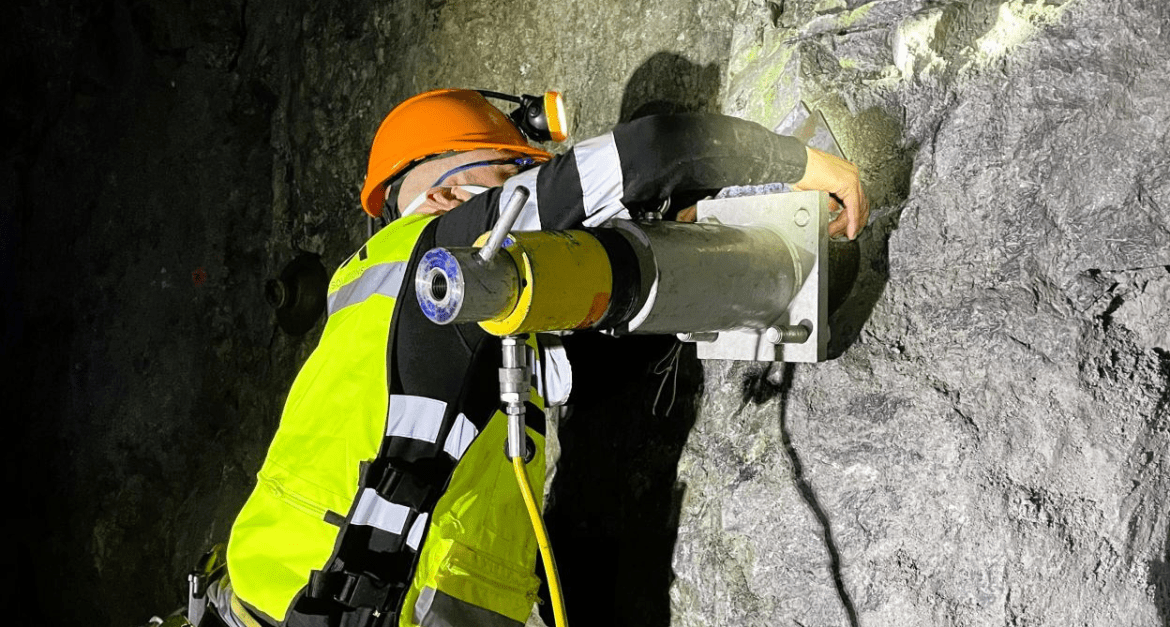
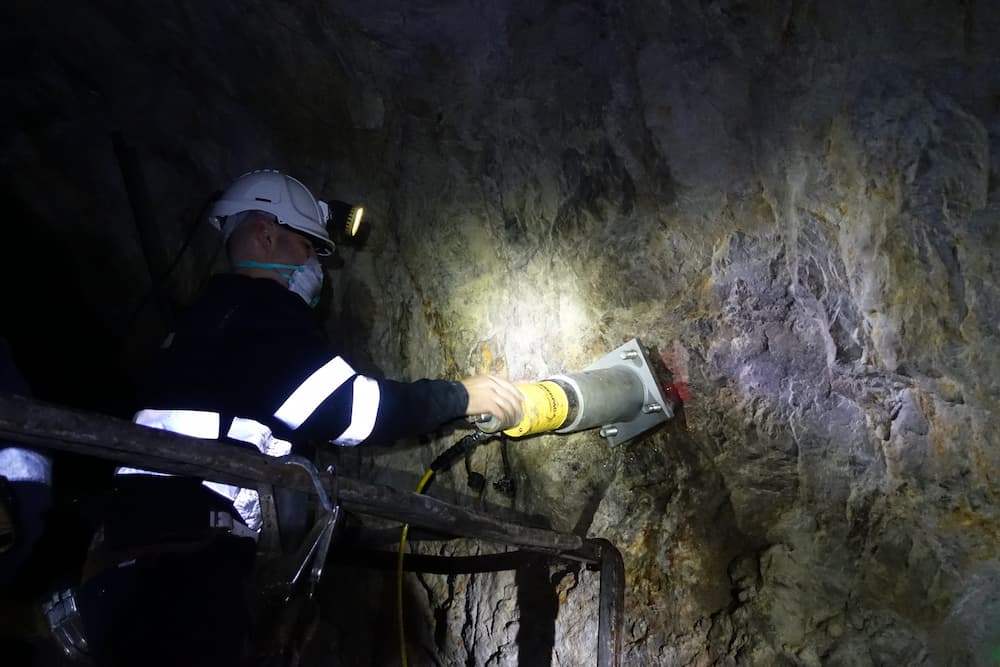
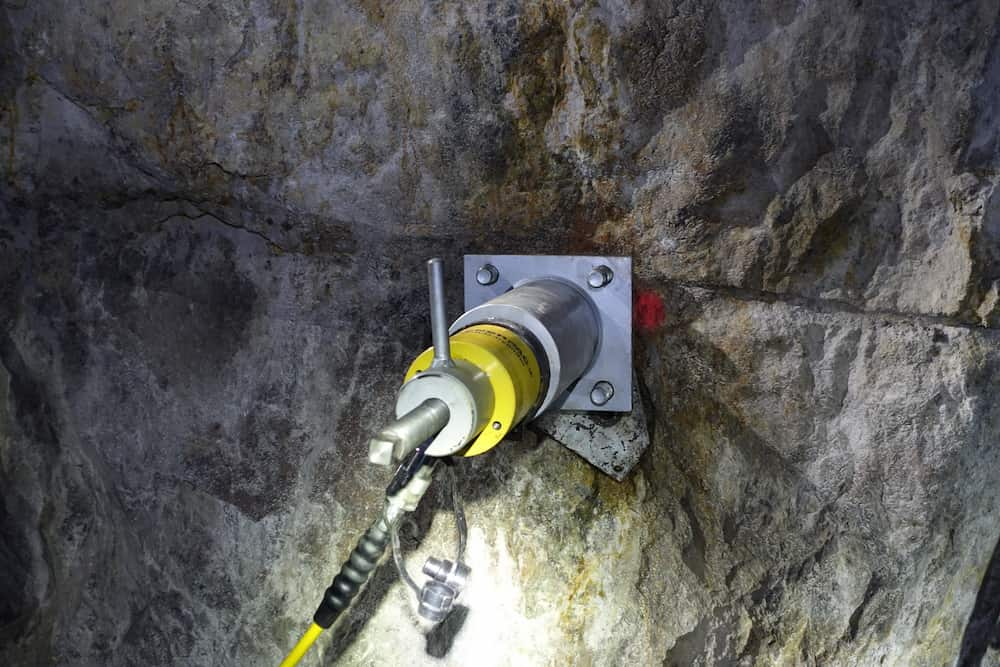
This test consists of a mechanical test that is carried out on the expandable rock bolt installed in rocky walls or ceilings of underground galleries. It aims to measure the tensile capacity, the deformation and behavior when a load is applied.

Using hydraulic equipment, the maximum necessary force is applied to verify whether the bolt remains anchored to the rock mass.

With regard to the pressure applied during this test, there is no fixed standard; it depends on the testing authority or the protocols and requirements of each case. However, consideration is typically given to the nominal load carried by the bolt, which can be classified into three types:

  • 120 kN
  • 160 kN
  • 240 kN

Each underground operation has a considerable number of bolts installed, and the test is not performed on all of them, but randomly. And, the objective is to verify that the bolts are installed correctly, and that all the mine’s geomechanical methodology and safety criteria have been met.

For most uses, pull tests are requested by the person in charge of the underground operation. However, they can also be carried out at the initiative of the company supplying the bolts if any incident is detected.

Types of tensile tests

Types of tensile tests Onix Underground

We differentiate between two types of tests, even though the test shares the purpose of both evaluating the material (which depending on the force applied to the expandable rock bolt) and the final specific objective.

Non-destructive pull test

In the non-destructive tensile test, a maximum pressure load is set, which is usually 80%. Once this measurement is reached, the test is completed and the bolt is checked for any kind of alteration or damage. It is a quick and efficient way of detecting possible anomalies.

Destructive pull test

In the destructive pull test, the load is increased until the bolt breaks. Irrespective of the type of test and the size of the bolt, the methodology applied is the same. What varies is the pressure of the applied force.

What data is needed to carry out the tensile test?

When carrying out a test of these characteristics, a series of variables must be taken into account.

The location

Normally the tests are usually carried out in excavated galleries, so it is important to define if the bolts will be in the gables or in the vault.

Diameter of the borehole

It is important to assess the drilling diameter depending on the type of bolt to be tested. If it is too small, it will prevent the bolt from entering the ground, while if it is too large, it is likely that when it expands it will not achieve sufficient pressure on the walls of the ground.

Date of installation

The time elapsed between installation of the expanding bolt and the time of the pull test can influence the result.

After long periods from installation, we can sometimes find wear due to oxidation caused by the circulation of highly corrosive acidic water, tectonic movements in the area, or blasting that has been carried out in the mine.

Lithological information

Data on lithology, such as RMR or Young’s modulus data, is often requested from the Underground Operation Manager to gain a more accurate understanding of the rock properties.

Expandable rock bolt pull test equipment and materials

Pull test equipment and materials Onix Underground

The pull-test equipment and materials consists of:

Cherry Picker (Elevation Platform) use

An elevated platform could be required to reach the bolt if it is at a great height.

Clamp

A clamping element that secures the bolt during the extraction process is essencial.

Hydraulic equipment

A hydraulic pump is used to transfer pressure to the bolt in order to apply the force required for the test. For this purpose, a connecting element between the clamp and the cylinder is necessary.

Steps to be followed to carry out the expandable rock bolt pull test

The process for the tensile test can be summarised in the following steps:

  1. Define the installation point of the expandable rock bolt.
  2. Drill the borehole in the rock according to the appropriate diameter.
  3. Insert the bolt
  4. Apply the estimated pressure for perfect expansion in the hole.
  5. Place the clamp on the bolt bushing and connect it to the hydraulic equipment.
  6. Exert the maximum force necessary with the aid of the jack to obtain the test results.

Measurements and analysis of results

Analysis mine Onix Underground

At the end of the test, the results are recorded on a graph in the form of a curve representing the applied load and the elongation of the bolt based on the applied stress. In this way, a kind of DNA of the bolt is obtained.

If the test result is positive, it shows that the expandable rock bolt is installed correctly and is fulfilling its function of stabilising the rocky ground.

If, on the other hand, the bolt is installed incorrectly, because the diameter is not adequate or defects are found, additional work will have to be carried out to prevent this problem from affecting the stability of the rock mass. In this event, it will be necessary to place some additional bolts to ensure the safety of the installation.

In summary

The expandable rock bolt pull test not only evaluates the strength and quality of this type of bolt. It also makes it possible to detect possible anomalies caused by incorrect installation or wear and tear.

Furthermore, this type of test is an excellent benchmark for bolts manufacturers to continue to innovate and improve their products. By conducting their own testing in known and controlled areas, manufactures seek to push the limits of the product. They also can study how it responds in adverse environments in order to achieve better quality and greater safety.


About Onix Underground- the power of safety.

At Onix Underground, we are experts in expandable rock bolts and the stabilisation of rock masses in underground and mining operations. Our teams perform pull tests of expandable rock bolts both in our clients’ underground operations, and in our own testing laboratory, in order to always deliver the best quality product. This guarantees maximum quality and safety both for your personnel, and your operations.

EMC-Expandable-Rock-Bolts-Onix-Underground

The importance of the expandable rock bolt in underground mining and tunnel construction

The importance of the expandable rock bolt in underground mining and tunnel construction https://www.onixunderground.com/wp-content/uploads/2024/02/5.png 1200 627 Onix Underground Onix Underground https://www.onixunderground.com/wp-content/uploads/2024/02/5.png

¿What is an expandable rock bolt?

the expandable rock bolt in mining and tunnel Onix Underground

It is an essential anchoring element in tunnel construction, underground mines, and geotechnical engineering. The expandable rock bolt works as an active support system for the rock mass. Its role is to enhance stability by preventing the detachment of rock blocks from walls and ceilings and the collapse of galleries.

Manufactured with high yield strength steel for maximum quality, strength, and durability, the expandable rock bolt enables the completion of even the most demanding anchoring tasks. It can withstand high tensile loads while ensuring the safety of the equipment operating underground

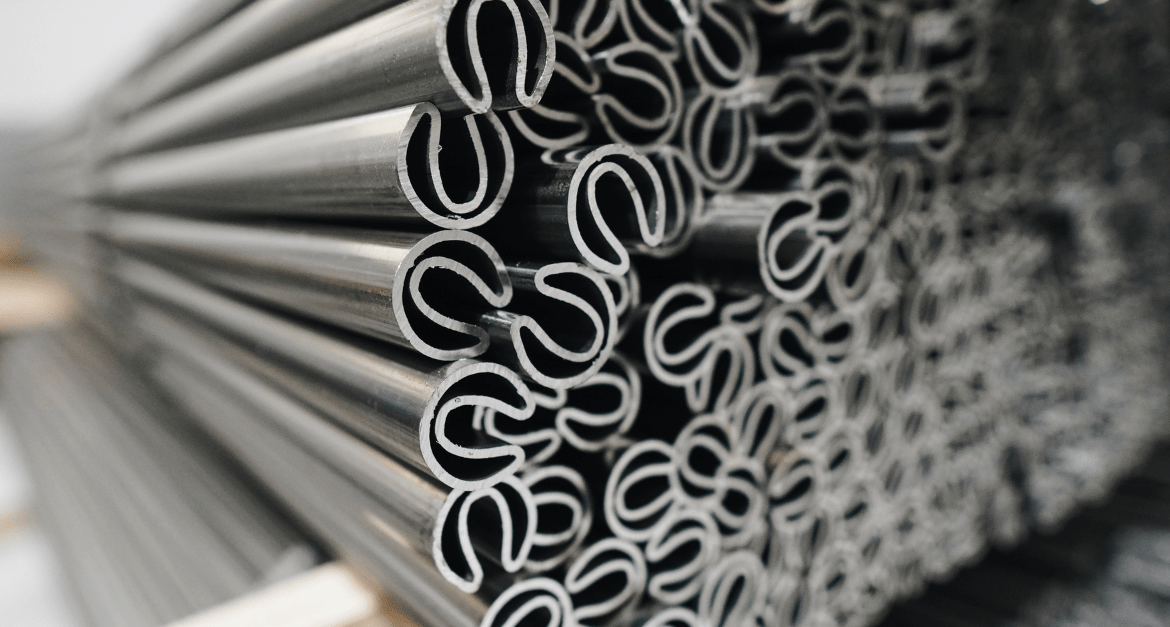
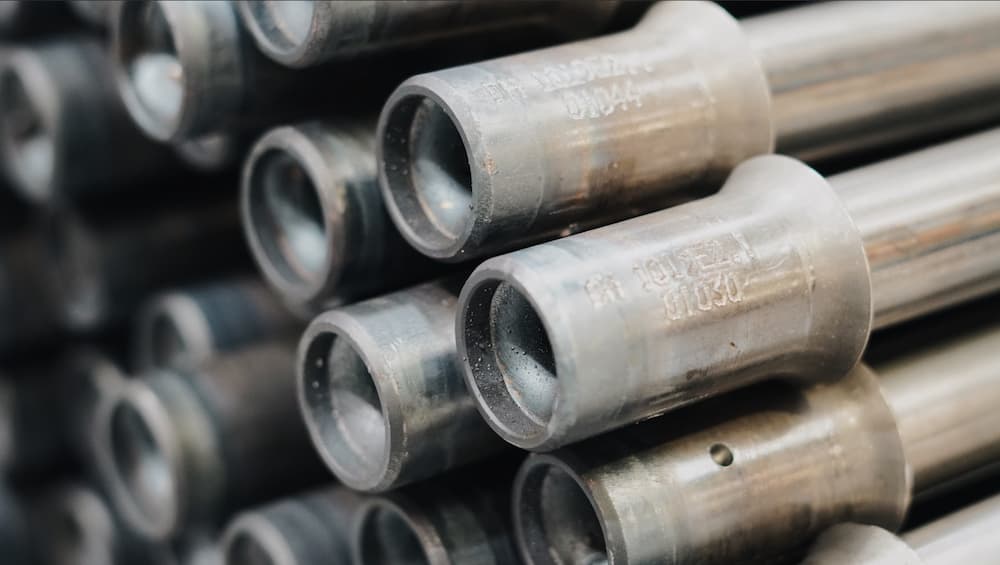
The expandable rock bolt is composed of an omega-shaped tube and a ferrule welded to each end, one of them perforated to allow the expansion of the rock bolt. Its manufacturing involves the use of complex automated technical systems to meet demanding quality standards.

The expandable rock bolt is one of the most effective and safest devices for rock mass stabilization in underground mining and tunnel construction.

manufacture of expandable rock bolt Onix Underground

Technical Specifications of the expandable rock bolt

The technical specifications of the expandable rock bolt can be grouped according to:

  • The tube has a variable length that can range from 1.5 to 6 m, with a thickness of 2-3 mm.
  • The breaking load that an expandable rock bolt can withstand varies between 120 kN and 240 kN.
  • The inflation pressure applied to the inside of the steel tube to make it expand and fit the hole drilled in the rock also depends on the type of bolt and its diameter. It is usually between 240 and 300 bars to reach the desired tension. To ensure correct inflation and installation of the bolts, special pumps are used that provide high-pressure water flow.

Advantages of the expandable rock bolts for underground mining and tunnel construction

Advantages of the expandable rock bolts for underground mining and tunnel construction Onix Underground

The expandable rock bolts are placed in the ceiling and walls of the excavations, forming a mesh that reinforces the rock mass and distributes the tensions generated.

The expandable rock bolts have several advantages over other ground support systems. Some of these advantages are:

  • Quick and easy to install, which reduces time and saves operation costs.
  • Adaptable to different types of rock, from the softest to the hardest, since they are flexible, expanding and adjusting to fit the hole.
  • They are capable of withstanding high tensile loads, which improves excavation safety.
  • They are compatible with other ground support systems, such as wire mesh or gunite, which increases the effectiveness of the reinforcement.

The installation process is very simple:

  • Drill the hole in the rock slightly deeper than the bolt.
  • Insert the expandable rock bolt into the hole.
  • Inject water at the appropriate pressure so that the bolt expands and makes contact with the walls of the hole.
  • Wait for complete expansion to secure the rock and remove the inflation pump nozzle.
Installation completed

In summary, the expandable rock bolt is an essential anchoring element that ensures stability and safety in tunnels, underground mines, and geotechnics. With the highest quality, it can adapt to different rock surfaces while supporting an enormous load capacity. All these features make it a safety, productivity, and efficiency ally for those responsible for mining operations and underground works

About Onix Underground

We are specialists in expandable rock bolt and underground support systems. Hundreds of thousands of our expandable rock bolts support rock masses in mines and tunnels around the world, ensuring the safety of people and work equipment. Our experts are at your service to advise you and offer you solutions of the highest quality, productivity and efficiency for your mining operations and underground works. Connect with our experts.

Onxi-Underground-Sustainability-EMC

Mining & sustainability

Mining & sustainability https://www.onixunderground.com/wp-content/uploads/2024/02/6.png 1200 627 Onix Underground Onix Underground https://www.onixunderground.com/wp-content/uploads/2024/02/6.png

The importance of mining is, without a doubt, indisputable. It could have been the second of the first great efforts of humanity: taking into account that agriculture was the first. These two industries are classified as the primary or basic industries of early civilization, supplying all the basic elements and resources used from prehistoric times to modern civilization.

Mining, inevitably, being an activity that occupies a territory and modifies its geography, directly or indirectly affects the individuals who inhabit it. To protect the integrity of the habitat and meet the needs of the present without compromising the capacity of future generations, it is crucial that mining activities are always carried out with sustainable development as the main objective, ensuring a balance between economic growth, caring for the environment and social welfare.

The five stages of the mining life cycle, being the sum of all of them a sustainable development, are: prospecting, exploration, development, exploitation and recovery. We must consider this last stage to be one of the most important, being its objective the closure of a mine, remodelling, revegetating and restoring the quality of the water and its land values.

To successfully carry out the recovery stage, good prior planning aligned with long-term economic and social objectives is very important. Some examples of planning aligned with social objectives would be the placement of waste dumps, tailings ponds, and other disturbed areas that will help prevent pollution problems. The old mines have been converted into wildlife refuges, golf courses, lakes, underground storage facilities, and other areas for many other uses that can be beneficial to society.

Since mining is such an important practice, as well as its sustainable development and the conservation of mineral resources, it is a duty for society and companies to be more aware of the need to conserve energy, minerals and the environment.